Kimera & Çıralı

Flames that have burned on a mountainside for thousands of years, an ancient city built on both banks of a stream, and turtles that come to this beach every summer to lay their eggs. Kimera stands within this landscape.

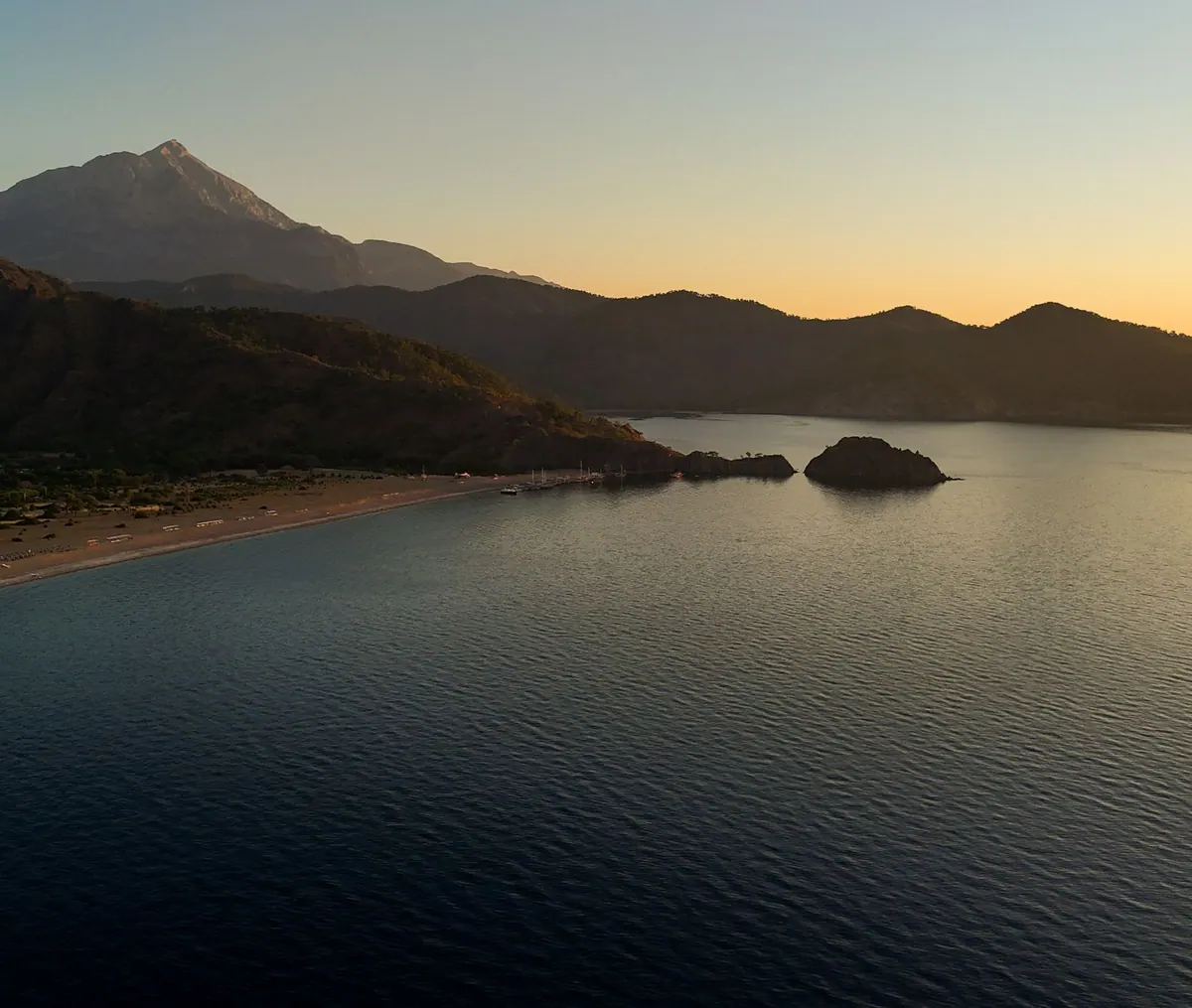
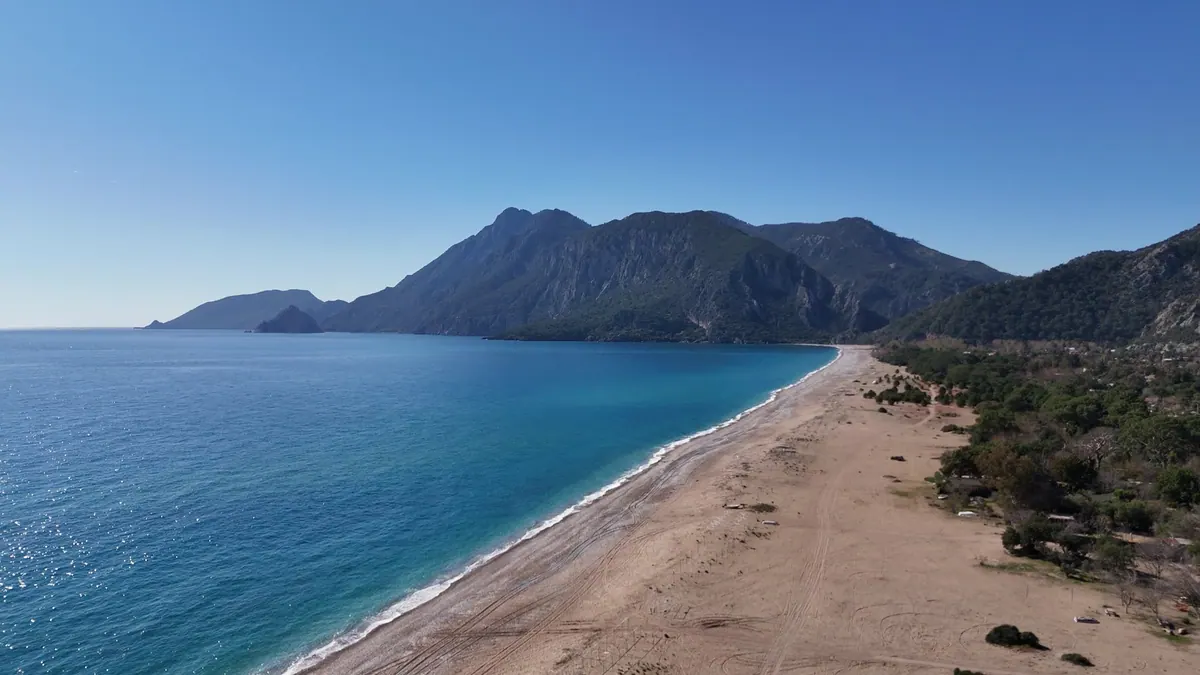
Çıralı beach, the bay and the mountains behind, from above

This page tells two stories side by side and takes care not to blur them. The first is the story of the place: myth, geology, antiquity and the creatures we share the beach with today. The second is Kimera's own: how this garden became a hotel.

Çıralı'nın şematik haritası: Tahtalı Dağı, Yanartaş, Ulupınar, Kimera, Çıralı kumsalı, Olympos ve Akdeniz K M E D I T E R R A N E A N Lycian Way ↑ Kemer · Antalya Schematic drawing, not to scale Tahtalı Dağı2365 m Yanartaş Ulupınar Kimera Çıralı beach Olympos Morning sea
Map

Mountain, fire, city and sea, within walking distance of each other.

Tap a point. Every place has a practical side and a side of myth or history.

I

The name

Kimera, that is, Chimaera.

Kimera is the Turkish spelling of Chimaera, the creature of Greek myth. In the legend, the Chimaera was part lion, part goat and part serpent, breathed fire and terrorised ancient Lycia. The hero Bellerophon defeated it riding the winged horse Pegasus.

Ancient writers mention a fire in these lands that never went out; the Roman naturalist Pliny the Elder noted a flame burning day and night. Some historians believe these flames, still burning on the slope above Çıralı, inspired the legend.

II

Yanartaş

Fire rising out of the rock.

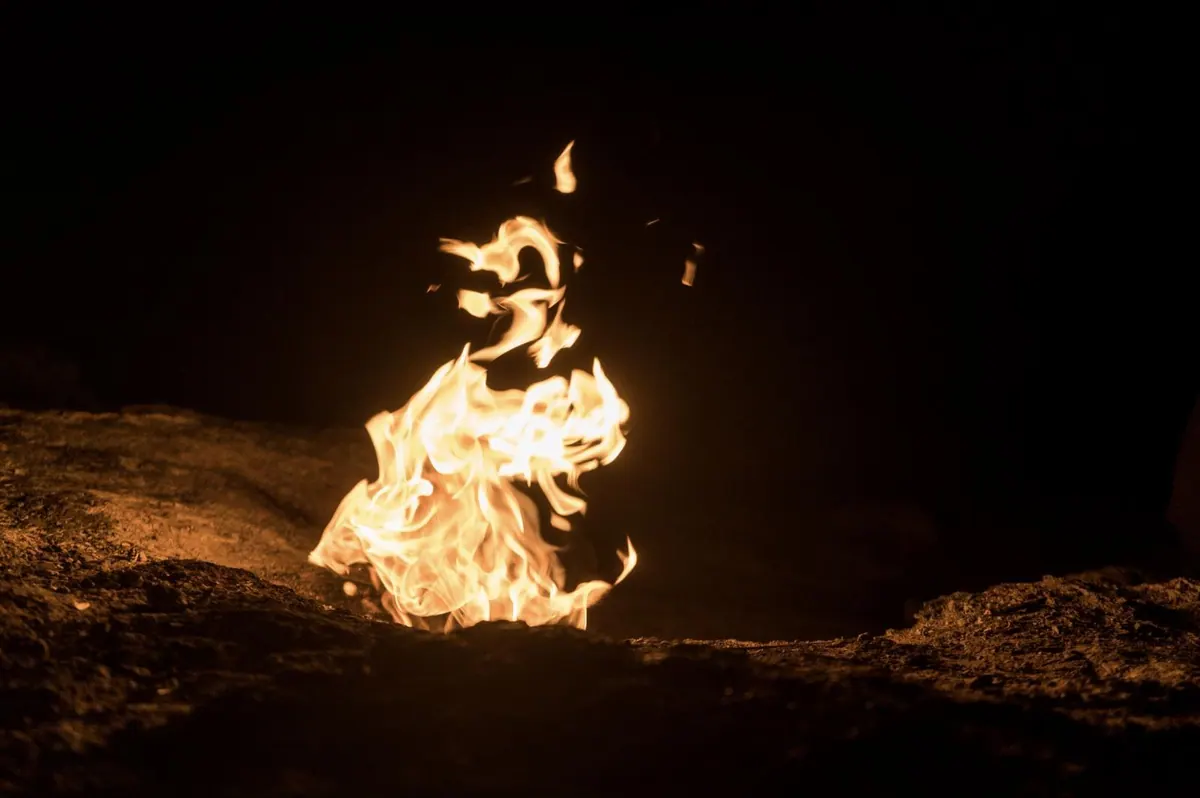
At Yanartaş, methane and other gases seeping through cracks in the rock ignite on contact with the air, and have done so for more than two thousand years. Researchers believe some of this gas forms not from decayed organic matter, as fossil fuels do, but from reactions between water and certain rocks deep in the Earth's crust.

Near the flames are the remains of a sanctuary associated with Hephaestus, god of fire and metalwork, and later Byzantine church ruins. A short but steep path leads up to the flames; most people make the walk after dark.

A flame rising from the rock at Yanartaş at night
Yanartaş at night. Photo: Alexey Komarov, Wikimedia Commons, CC BY-SA 4.0

III

Olympos

A city on both banks of a stream.

At the southern end of Çıralı beach, a stream runs from a deep valley to the sea. Ancient Olympos was built on both of its banks. It was one of six cities of the Lycian League with three votes in the federal assembly, as Strabo reports, citing Artemidorus of Ephesus.

A rock rising from the sea in the Olympos bay and the mountains, from above
  1. 1st c. BCThe pirate Zeniketes holds a fortress near Olympos. The Roman commander Publius Servilius Vatia Isauricus besieges it; rather than surrender, Zeniketes dies by fire with his family. Olympos is expelled from the League.
  2. 1st–2nd c. ADThe city rejoins the League and is rebuilt on a regular plan; a three-arched bridge crosses the stream.
  3. 5th–6th c. ADNine basilicas are built in the city centre.
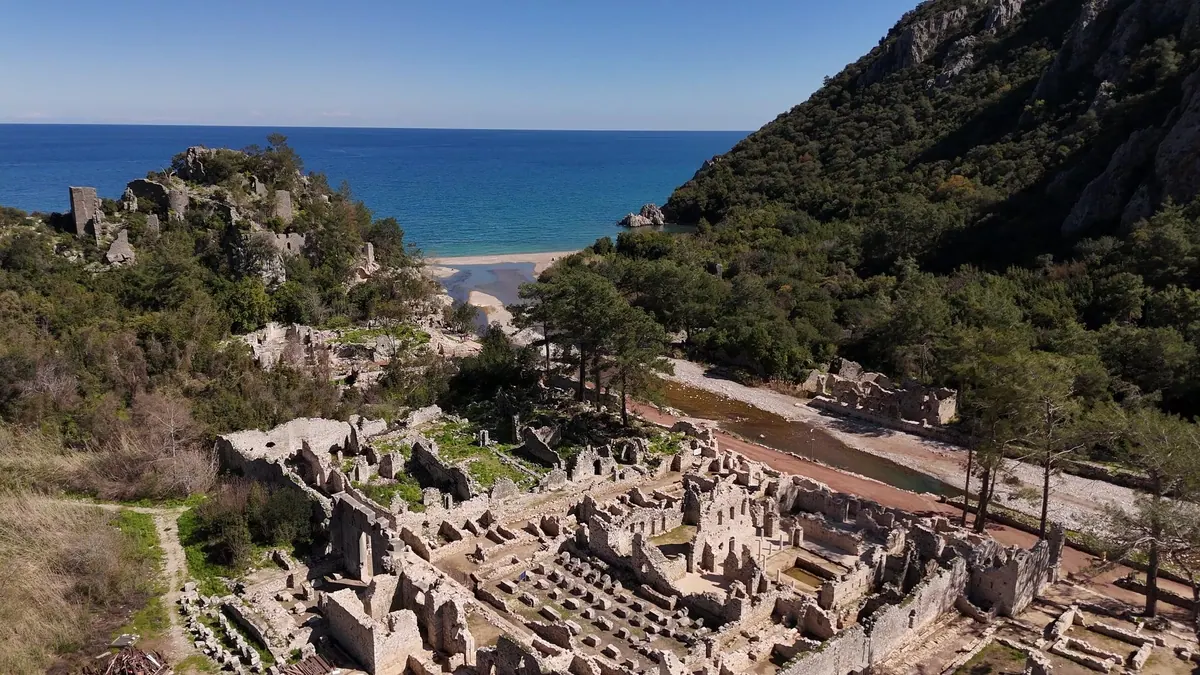
  4. LaterThe city is abandoned during or after the Arab raids; its remains now stand among the trees, along the stream.
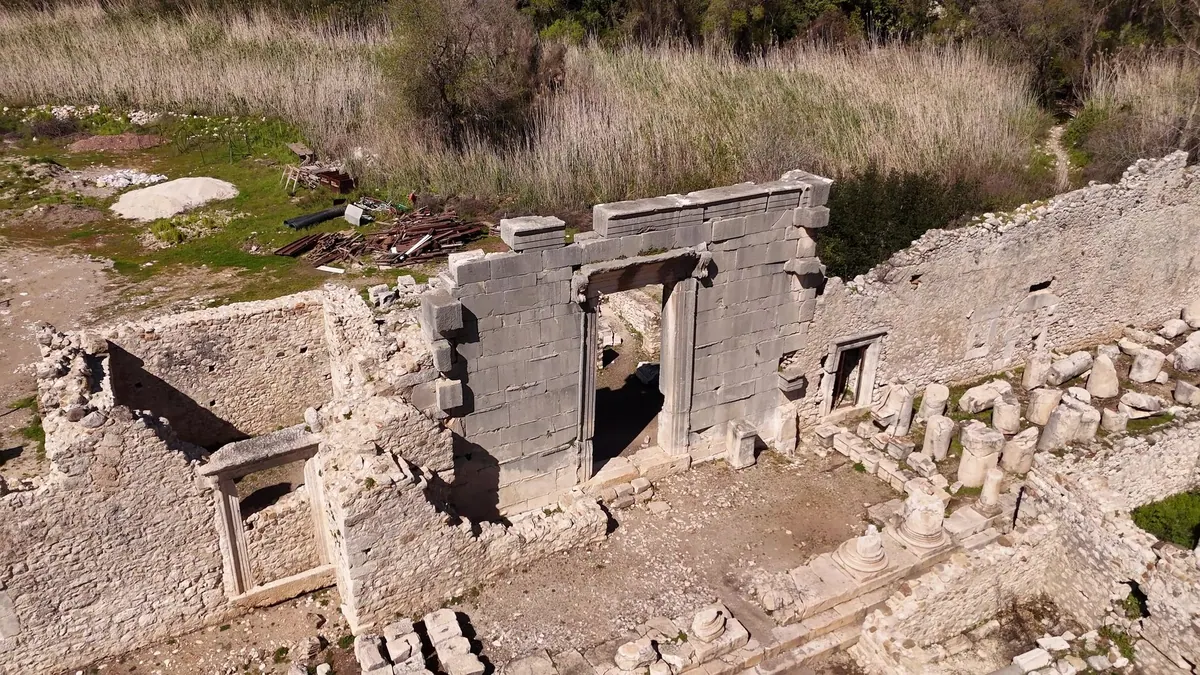
A stone gateway and the walls around it at Olympos, from above
The ruins of Olympos among the trees, the bay and the sea behind
Walking to the ruins

From the sand into the valley.

From the southern end of the beach, a path enters the stream valley and runs through the reeds to the ruins. The Lycian Way passes through this valley too. There is little shade at summer noon; early morning or late afternoon is cooler.

A path through the reeds in the Olympos valley

IV

The sea

The calmest hour of the morning.

In Çıralı the sea is at its stillest early in the morning, the best time for paddleboard and kayak. Birds and fishing boats along the shore. For those who want to go further, boat trips from cove to cove: Suluada, Porto Ceneviz and Aquarium Cove.

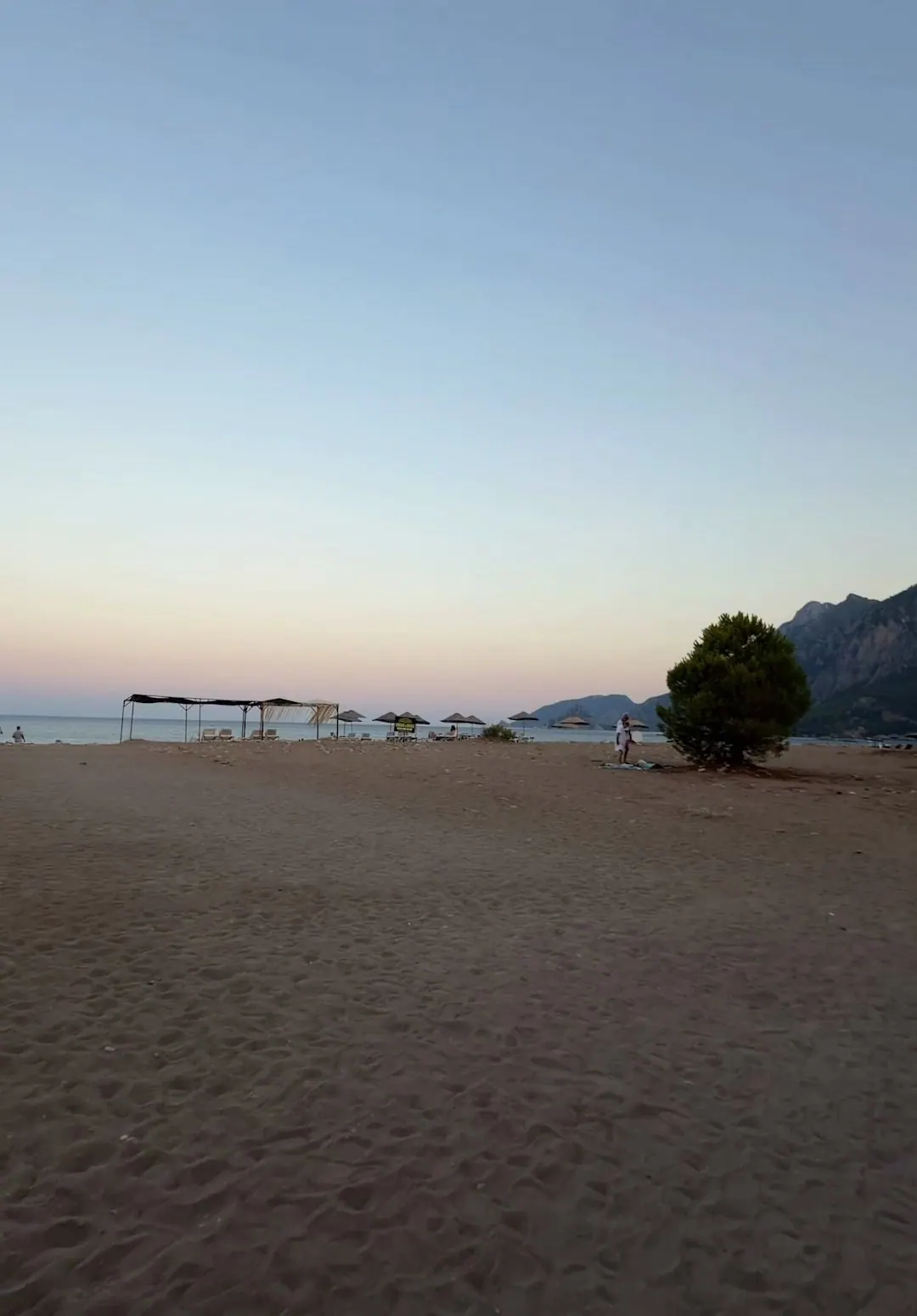
A calm sea, the shore and the mountains at dusk
An empty beach at dawn and umbrellas in the distance
Morning: the turquoise sea along Çıralı beach and the Olympos mountains, from above
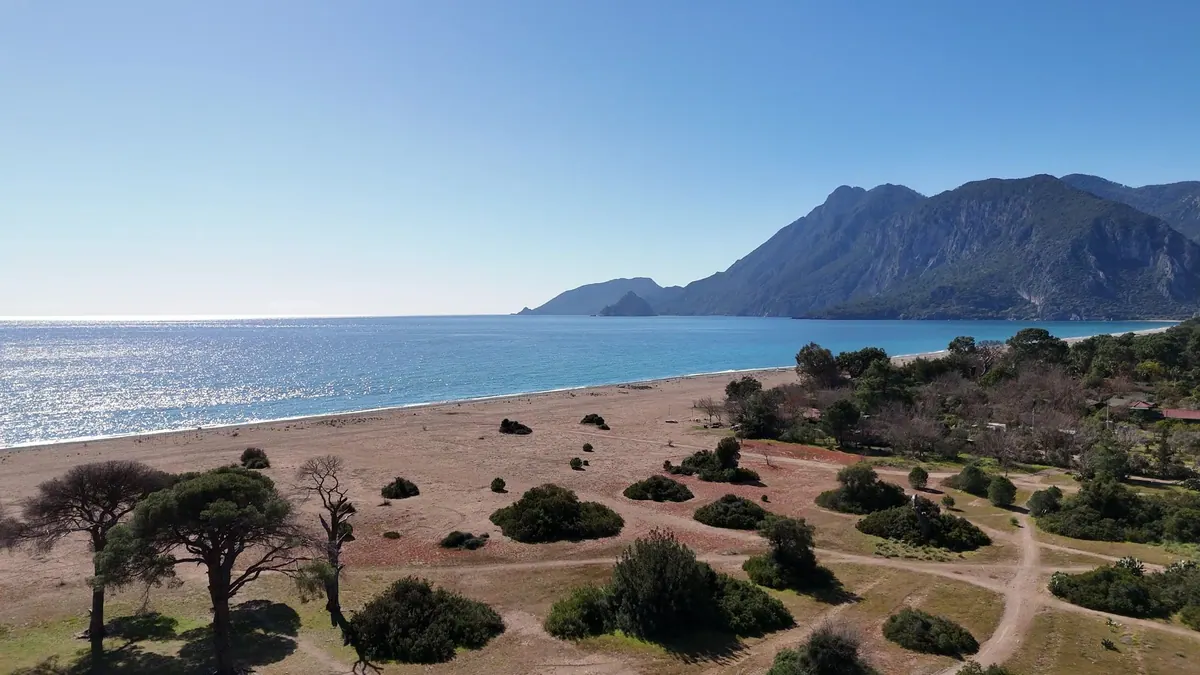
Pine trees behind the beach and the morning sea
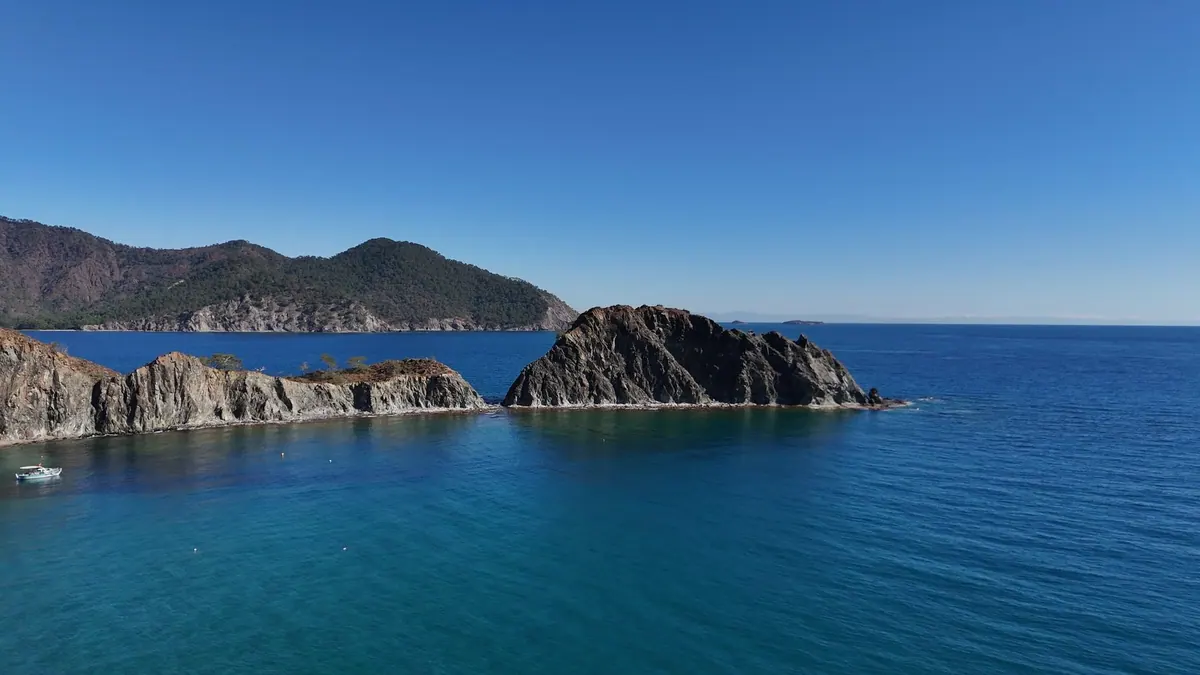
Rocky islets in the bay and a calm, deep blue sea

V

Caretta caretta

Sharing the beach.

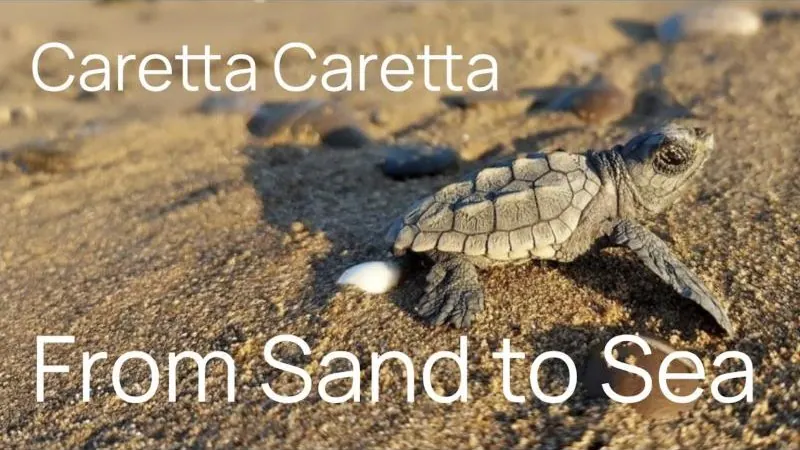
Çıralı is one of the beaches where the loggerhead turtle, Caretta caretta, lays its eggs. From late April the females dig their nests in the sand; from mid-July to the end of September the hatchlings make their way to the sea at night. At one point lights and visitors on the beach brought the number of nests down to around 70; after protective measures it rose to 150 in 2018.

In 2023 Çıralı became the first beach to close at night. Each year the ban begins when the season's first nest is found (usually between mid-May and early June) and lasts until the last hatchling reaches the sea, roughly the end of September: during that time, entering the beach, swimming at night, camping and lighting fires are forbidden from 9 pm until morning, and nesting points are marked. From October to May the beach is open at night too. Locally, the Ulupınar Environmental Protection, Development and Management Cooperative takes part in protecting the beach.

  • At dawnWatch the tracks in the sand from a distance; don't touch
  • At nightNo lights on the beach, no flash photography
  • NestsKeep clear of the marked areas
Caretta Caretta, From Sand to Sea: a hatchling making its way across the sand to the sea
Short documentary · Kimera A Life Cycle in Çıralı From protecting the nests to the hatchlings reaching the sea, told by the people who work on the beach. Watch on YouTube

VI

Kimera

And this garden.

Today Kimera stands among citrus trees at number 492, Çıralı Sahil Yolu. Its kitchen is fed by its own farm ten minutes away, over 70% of its suppliers are local producers, and the hotel holds a Zero Waste Certificate and the Ministry of Culture and Tourism's level 3 Sustainable Tourism Certificate.

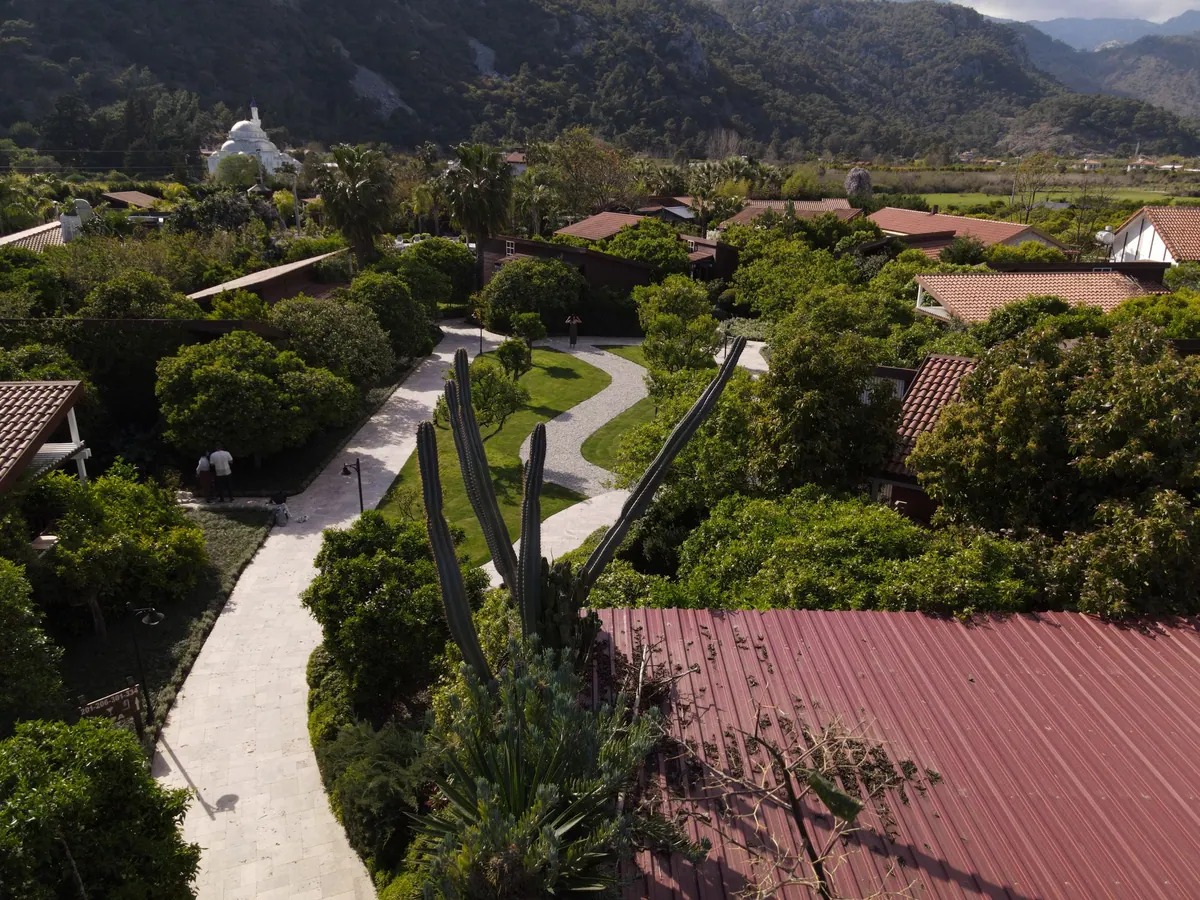
Kimera's garden paths and red roofs from above
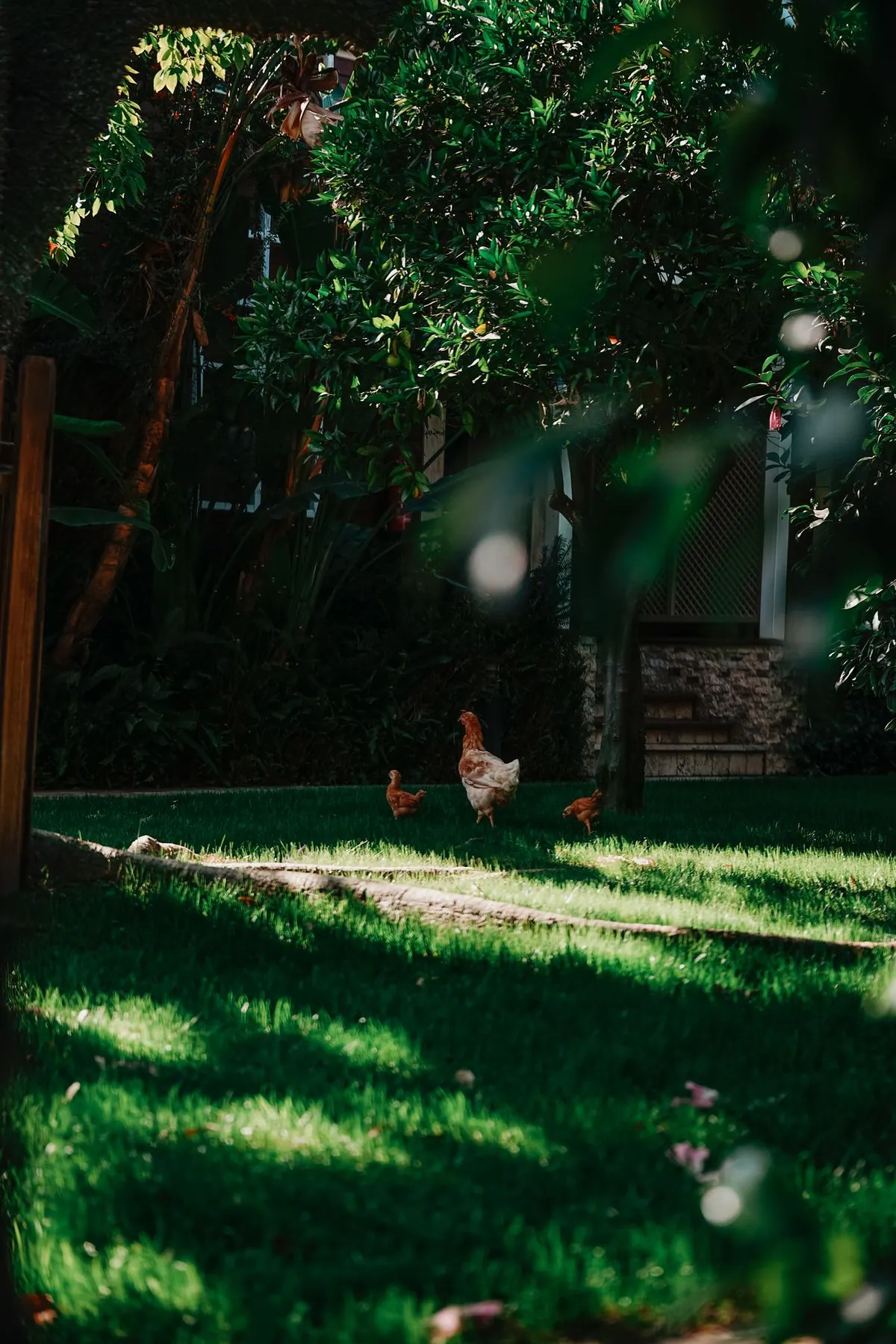
Hens wandering on the grass in the shade of the trees
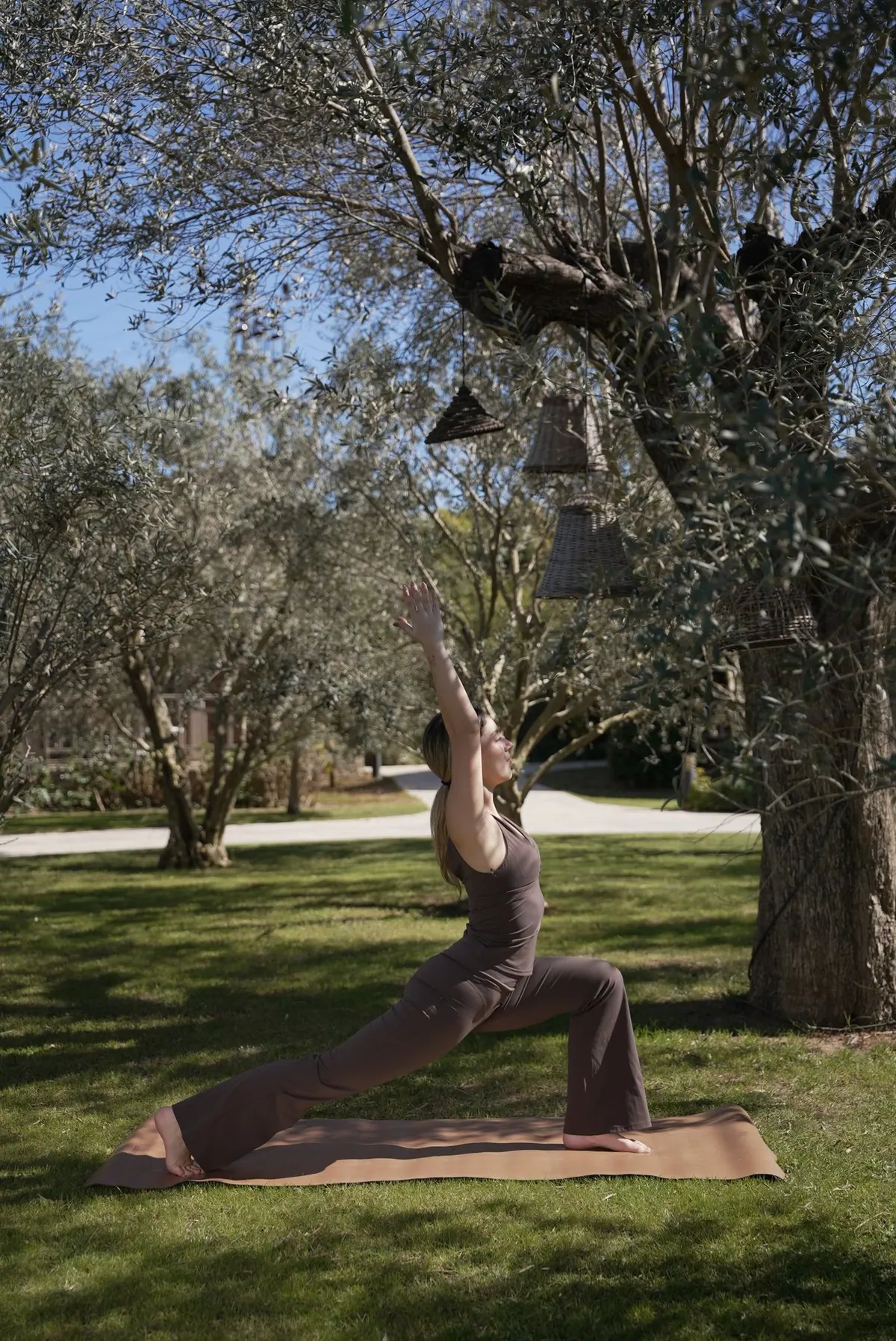
A woman practising yoga under the olive trees in the garden
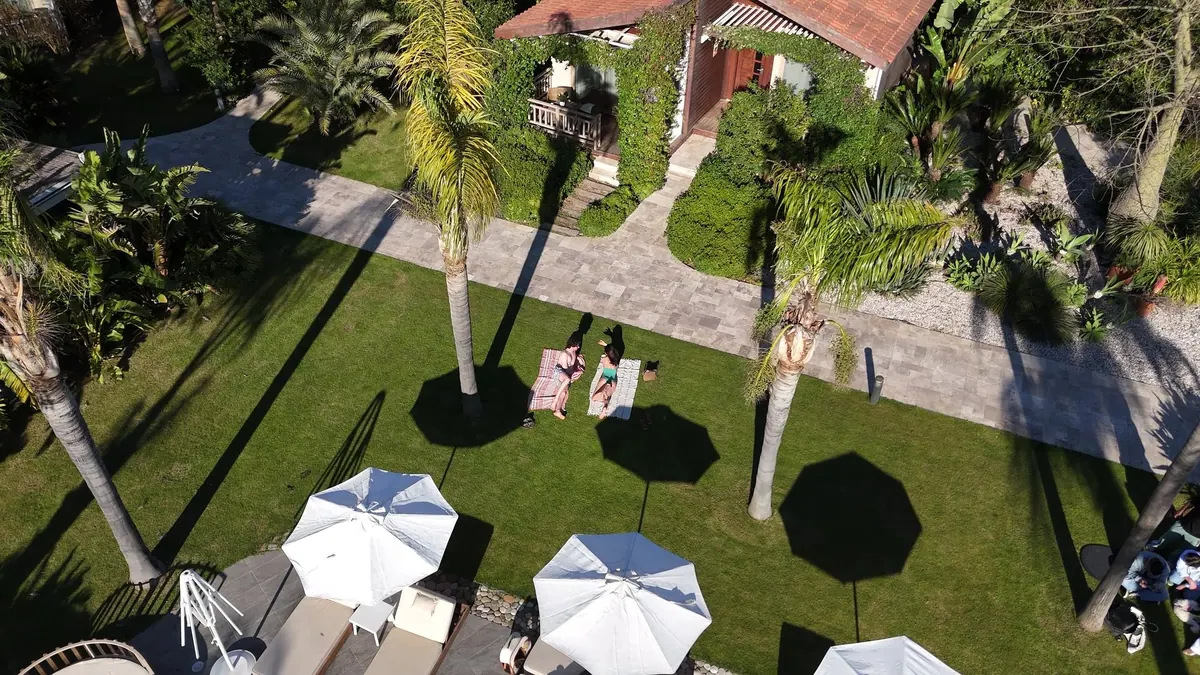
Lawns and stone paths under palm shadows, directly from above
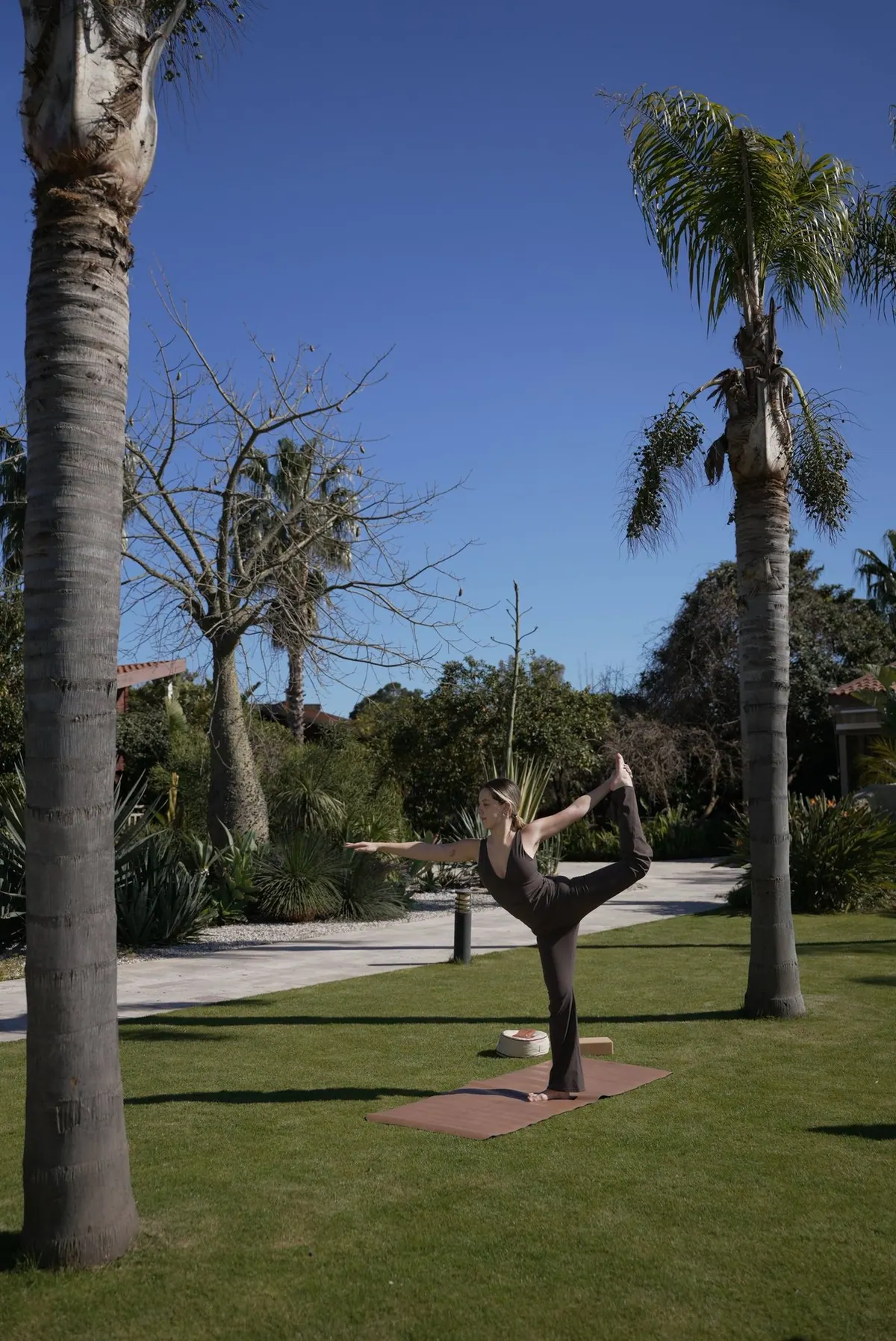
A woman practising yoga on the grass among the palms in the garden
Sources
Olympus (Lycia), Wikipedia · Lycian League (after Strabo), Zeniketes and Servilius Isauricus, the basilicas
Discover Wildlife, Mount Chimaera · Yanartaş gases, Pliny, the sanctuary of Hephaestus
Bianet, 2018 · Nesting season and nest numbers
Daily Sabah, 2023 · The night beach ban

See Çıralı for yourself.